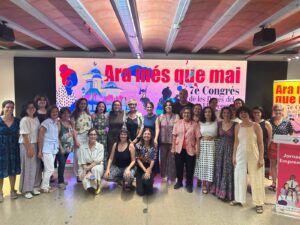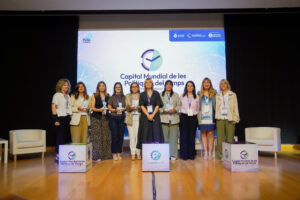


The Time Use Initiative (TUI) took part in the third working session of the participatory process to develop the Catalan Agenda for Work–Life Balance and Co-responsibility, held on 26 February 2026 in El Prat de Llobregat. The session brought together representatives from companies, trade unions, universities and the third sector to advance the collective construction of this strategic roadmap.
The session focused on identifying and systematising practices that promote better organisation of time and foster work–life balance and co-responsibility across organisations. These contributions will feed into the future Agenda, which aims to improve well-being, productivity and gender equality through more balanced use of time, addressing key challenges such as time poverty, unequal care responsibilities and the impact of working conditions on health.
Participants worked collaboratively to detect and classify existing practices within their organisations, highlighting the diversity of approaches depending on sector, company size and territorial context. Discussions also emphasised the need for structural change, including increased flexibility in working hours, the consolidation of telework, the guarantee of digital disconnection and a shift in organisational cultures towards co-responsibility.
TUI was represented by its director, Marta Junqué, who contributed to the exchange of knowledge and good practices from an international perspective. TUI’s participation underscored the importance of integrating evidence-based policies on time use into organisational strategies, reinforcing its mission to promote fairer, healthier and more inclusive societies through better time governance.
The event was inaugurated by Yolanda Ferrer, Secretary of Feminism of the Government of Catalonia, and closed by Marisol Rojas, Deputy Mayor for Welfare, Equality Policies and Citizenship of El Prat. As part of a broader participatory process led by the Department of Equality and Feminism, the Catalan Agenda seeks to build a shared framework for advancing more equitable time use, demonstrating that coordinated action between public institutions, social partners and organisations is essential to achieving lasting societal change.