News

Time Use Week 2024: Expanding the global commitment to the right to time

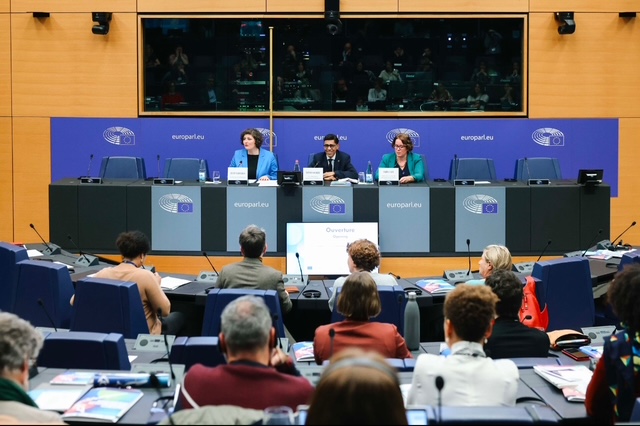
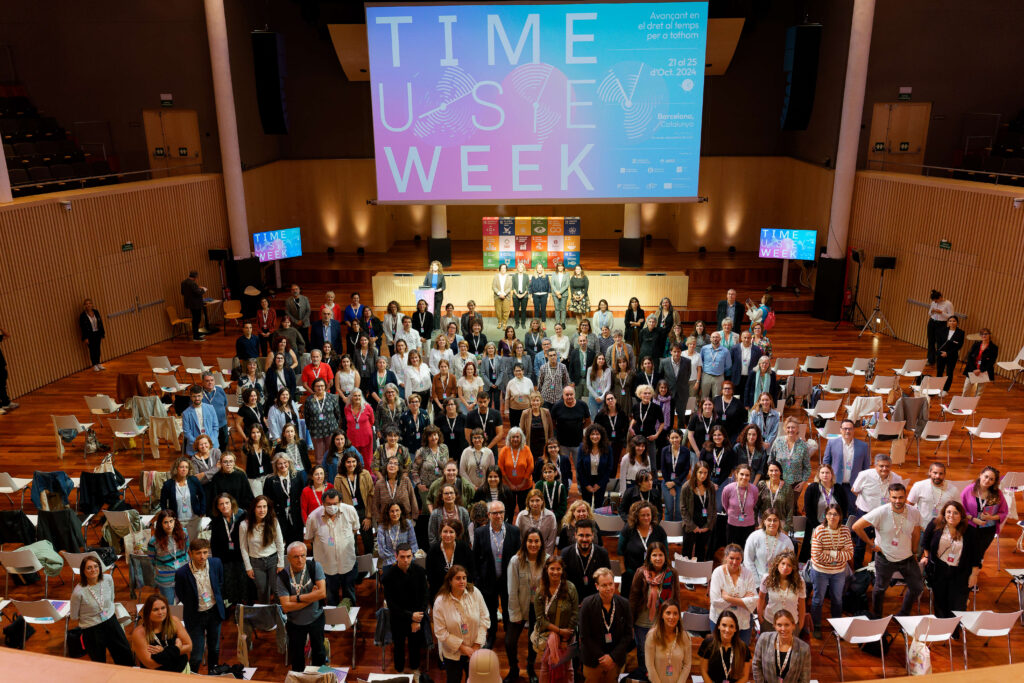
Time Use Week 2024, held in Barcelona and online from 21 to 25 October 2024, has marked a new milestone in advancing the right to time. Here are the main conclusions of this edition: The action plan 2024-2026 of the Barcelona Declaration for Time Policies, the global agreement to guarantee the right to time, has […]

Time Use Week 2024: Expanding the global commitment to the right to time Read More »

The Barcelona Declaration on Time Policies, the global agreement to guarantee citizens’ right to time, is updated

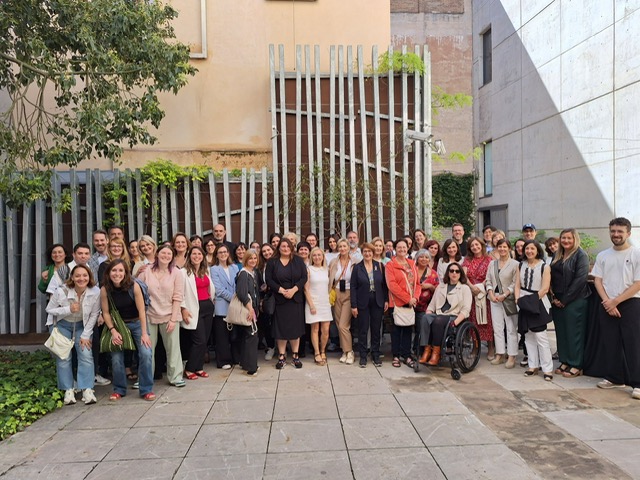
200 world-leading organizations in time policies update their commitment and the new work plan of the Declaration. The new work plan was presented during the inauguration of Time Use Week, with the participation of the Minister for Equality and Feminism, and representatives of the Barcelona City Council, the Barcelona Provincial Council and the Metropolitan Area,

The Barcelona Declaration on Time Policies, the global agreement to guarantee citizens’ right to time, is updated Read More »

The Barcelona Declaration on Time Policies, signed by 200 stakeholders, calls for an end to clock change in Europe

Local and regional institutions from all over Europe and experts ask the new European Commission to reactivate the process to make the end of the seasonal clock change effective by 2026 Once again, on 27 October, European citizens will turn their clocks back one hour to winter time, “the closest to our natural rhythms”. The

The Barcelona Declaration on Time Policies, signed by 200 stakeholders, calls for an end to clock change in Europe Read More »

Summer School of Time: time policies, a key element for the 21st century

More than 500 people have participated in the Summer School of Time, the first European training program on time policies that has shown time policies are an essential tool for addressing time stress (which includes time poverty) as well as the increasing interest of citizens and social organisations in time policies, that are already at

Summer School of Time: time policies, a key element for the 21st century Read More »

Tick-Tock Europe: Championing for the right to time!  MEPs and MEPs candidates from all over Europe endorse the EU Manifesto for time policies

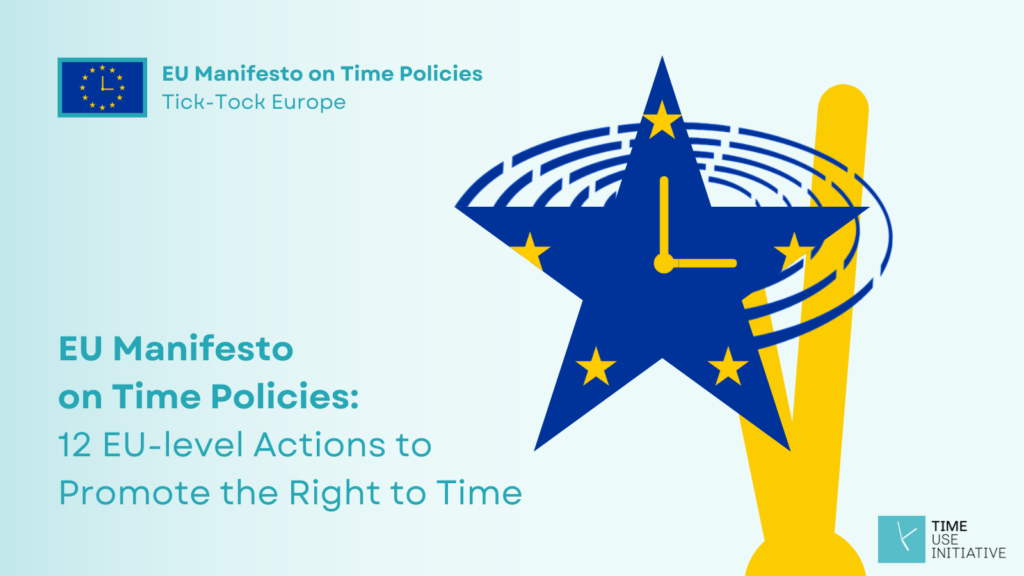
The Time Use Initiative has launched its EU Manifesto on Time Policies, a groundbreaking initiative aimed at championing the Right to Time for all European citizens. The EU Manifesto on Time Policies, Tick-Tock Europe, advocates for 12 key changes that can be implemented by the EU from 2024 onwards to safeguard the right to time.

Tick-Tock Europe: Championing for the right to time!  MEPs and MEPs candidates from all over Europe endorse the EU Manifesto for time policies Read More »

Time and Democracy and Night time policies: how time policies are a solution for these challenges 

Representatives of London, Trento and Strasbourg presented examples of best practices of night-time policies as implemented in their cities. These are all in relation to how they navigate the urban night from a holistic point of view, considering it in the frame of a 24-hour city. Night governance strategies and the model of Night Mayors

Time and Democracy and Night time policies: how time policies are a solution for these challenges  Read More »

Experts ask political representatives to add the end of clock change in Europe in the UE Electoral Programes

The EU must end seasonal clock changes, as changing clocks to the wrong time zone negatively impacts individual health and the economy EU Parliament elections taking place the next coming June 9 are foreseen as a key opportunity to influence the different EU political parties/representatives to take a step forward, as the Council of the

Experts ask political representatives to add the end of clock change in Europe in the UE Electoral Programes Read More »

Scroll to Top
Privacy summary

This website uses cookies so that we can provide you with the best possible user experience. Cookie information is stored in your browser and performs functions such as recognising you when you return to our website or helping our team understand which parts of the site you find most interesting and useful.