

This trajectory has helped place time policies at the heart of the local agenda, demonstrating the direct impact that the organisation of time has on health, equality and economic performance. Throughout its evolution, the network has acted as a space for experimentation, knowledge exchange, and innovation, contributing to the development of new practices in the organisation of working time and work–life balance. In this shared journey, TUI has contributed to strengthening the strategic dimension of time policies, particularly in the area of working time. Through research, advocacy, and collaboration, it has supported structural approaches that connect local initiatives with international agendas and promote healthier and more balanced time-use practices.
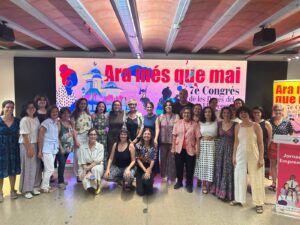
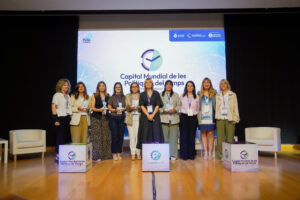
The event included a dialogue with the Commissioner for Economic Promotion, Commerce and Catering, Nadia Quevedo Muñoz, together with representatives of member organisations, as well as a collective recognition of participating entities. The day concluded with a co-creation exercise aimed at defining the future of the network. Exchanges during the event highlighted current challenges such as time poverty, inequalities in the distribution of care, and the need to adapt the organisation of working time to contemporary social realities. The value of the network as a space for collaboration, learning and the generation of innovative ideas through the exchange of experiences was also emphasised.
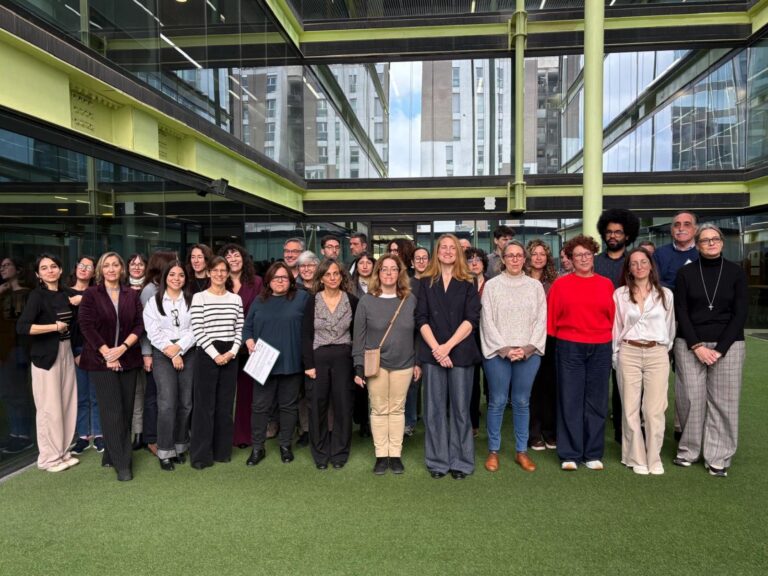
TUI’s participation reaffirmed its commitment to promoting the right to time as a central element of public policy and organisational practices. In line with the reflections shared, it was emphasised that progressing towards a fairer distribution of time requires structural changes, a strategic vision and strong partnerships between institutions, businesses and civil society. As it enters its third decade, the NUST Network is strengthening its role as a key platform for driving a cultural shift in the use of time, with the shared aim of building a more just, humane and sustainable society in which time is recognised as a fundamental right.