

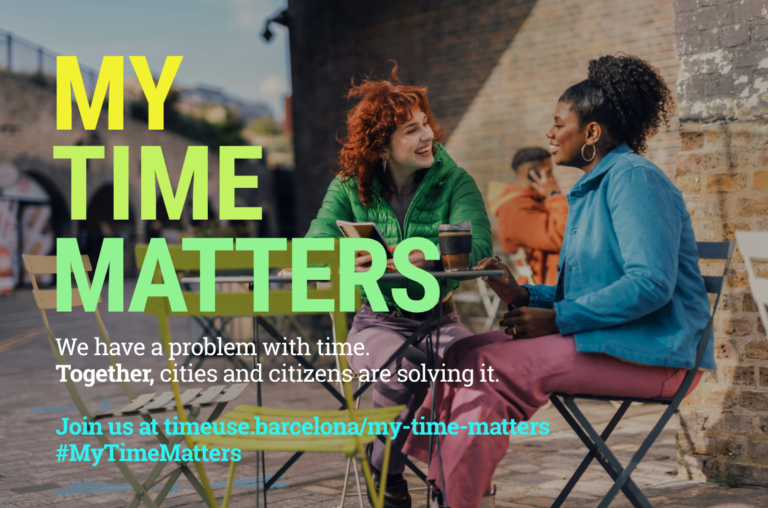
“Where is my time?” This is the question at the heart of #MyTimeMatters, the first European citizen campaign to bring the right to time into public debate. Far from being anecdotal, this question reflects a broader reality: across Europe, people increasingly feel they do not have enough time, are constantly rushed, and struggle to balance their daily lives.
The campaign, led by the Time Use Initiative (TUI) in collaboration with European partners, translated complex time-use data into accessible messages, helping citizens understand how time-related challenges directly impact their everyday lives. It highlighted that time is an essential yet often invisible right — one that shapes our lives from the moment we wake up to when we go to sleep. Today, however, the way time is organised has become a major source of social discomfort, affecting citizens of all ages, genders and backgrounds.
#MyTimeMatters shows that Europe faces a structural problem with time. It identifies shared challenges such as the difficulty of reconciling paid work, unpaid care and personal life, as well as the persistence of gender inequalities in care responsibilities. It also highlighted broader structural issues such as rigid schedules, long commuting times, lack of rest and high work intensity, which together contribute to what is increasingly recognised as time poverty. This lack of time not only affects well-being, but also limits civic and democratic participation, as many citizens simply do not have the time required to engage in public life.
At the same time, the campaign showed that solutions already exist, presenting examples of time policies that improve quality of life through better organisation of work, care services, mobility and daily schedules. Across Europe, cities and regions are improving everyday life: from care services and flexible work arrangements to better mobility planning and measures to protect rest and well-being. The key message is clear: transforming the use of time is not only necessary, but possible.
The campaign was mainly implemented between 11 and 15 May 2026, coinciding with the International Day of Families, and framing the message around work-life balance and shared responsibility. It directed audiences to the Time Lab web platform, where users could explore European data through four sections: key findings at EU level, comparisons between countries, in-depth country profiles and a set of concrete time policy solutions already being implemented. Together, these elements conveyed a clear message: time is an essential yet often invisible right, and improving how it is organised is both necessary and possible.
The initiative was disseminated through a coordinated European communication effort, combining the campaign website, social media publications and partner communication channels. It involved 20 cities and regions in 7 EU countries (Belgium, France, Greece, Italy, Poland, Portugal and Spain), who jointly contributed to amplifying the message, adapting content to their local contexts while maintaining a shared European narrative.
As a result, the campaign reached 300,000 unique users from 25 EU countries, including all the above-mentioned countries. At the same time, the campaign also reached audiences beyond the European Union, including neighbouring countries such as Ukraine and Moldova, confirming its wider relevance within the European context.
Beyond communication results, the campaign strengthened the capacity of participating organisations to work with a shared narrative on time policies, providing them with tools to communicate more effectively at local level while contributing to a broader European agenda. It also attracted interest from organisations outside the consortium, contributing to expand the reach and visibility of the initiative.
Overall, #MyTimeMatters has shown that the right to time is not only a social issue, but a shared European challenge, closely linked to equality, health, sustainability and democratic life. By combining data, communication and collaboration, the campaign has taken an important step towards positioning time policies as a key pillar of public policy in Europe.
From diagnosis to action: a European framework for changing how we use time

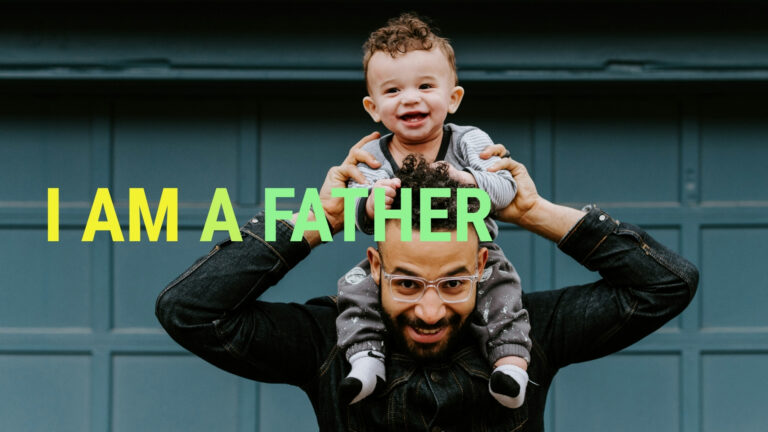


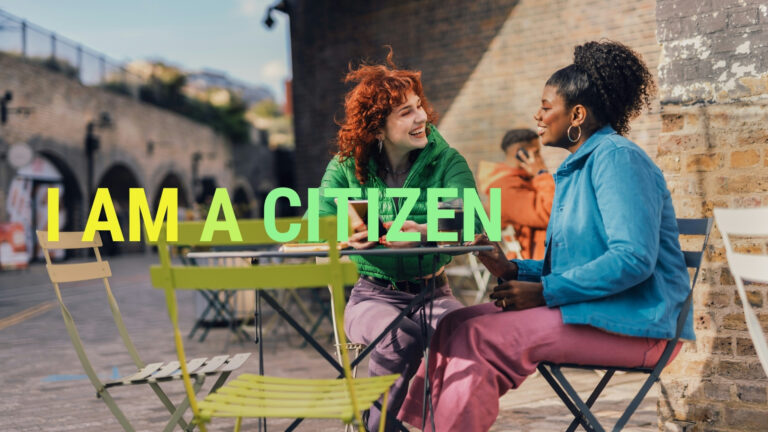



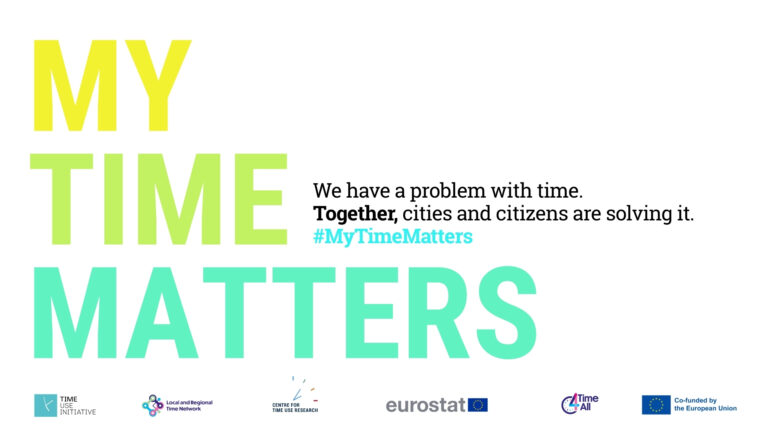
One of the main strengths of the campaign has been its ability to link data, communication and policy action. By presenting official and comparable time-use data in an accessible way, #MyTimeMatters has helped citizens and institutions better understand the roots of time-related discomfort.
The findings highlight that, despite important progress in Europe, such as the reduction of the gender gap in unpaid work over recent decades, significant inequalities and inefficiencies persist. Women continue to bear a disproportionate share of care responsibilities, many workers face inflexible schedules, and a large part of the population experiences sleep deprivation and constant time pressure.
At the same time, the campaign shows that time can become a lever for transformation. Existing policies demonstrate how reorganising daily life — through better coordination of schedules, more accessible services, or new approaches to work — can improve well-being, equality and participation.
The campaign also introduced a replicable model of coordinated communication, allowing partners to implement a shared message while adapting it to their own contexts. Through common materials, a practical dissemination toolkit and coordinated social media actions, institutions were able to amplify their impact collectively while maintaining local relevance.
This dual approach — combining a common European narrative with local adaptation — has been key to the campaign’s success. It has strengthened the visibility of time policies as a public issue, while equipping partners with tools to continue raising awareness in their own territories.
Context: a European effort to put time policies on the agenda
The #MyTimeMatters campaign is part of the Time4All 2.0 project, co-funded by the European Union, and brings together cities, regions and institutions from across Europe working to improve how time is organised. Through initiatives such as #MyTimeMatters, the project contributes to building a shared European approach to time, supporting public institutions and local governments in designing policies that are more aligned with citizens’ needs.
The campaign was co-organised by the Time Use Initiative and the Local and Regional Time Network, with the support of Eurostat and the Centre for Time-Use Research, ensuring a strong data-driven foundation. A full diagnosis and policy proposals is available through the Time Lab platform, offering a detailed view of how time-related challenges affect Europe and how they can be addressed.