


MAIN EVENTS
Monday, 19th of October
Schedule: 9:30 h to 17:30 h (CEST).
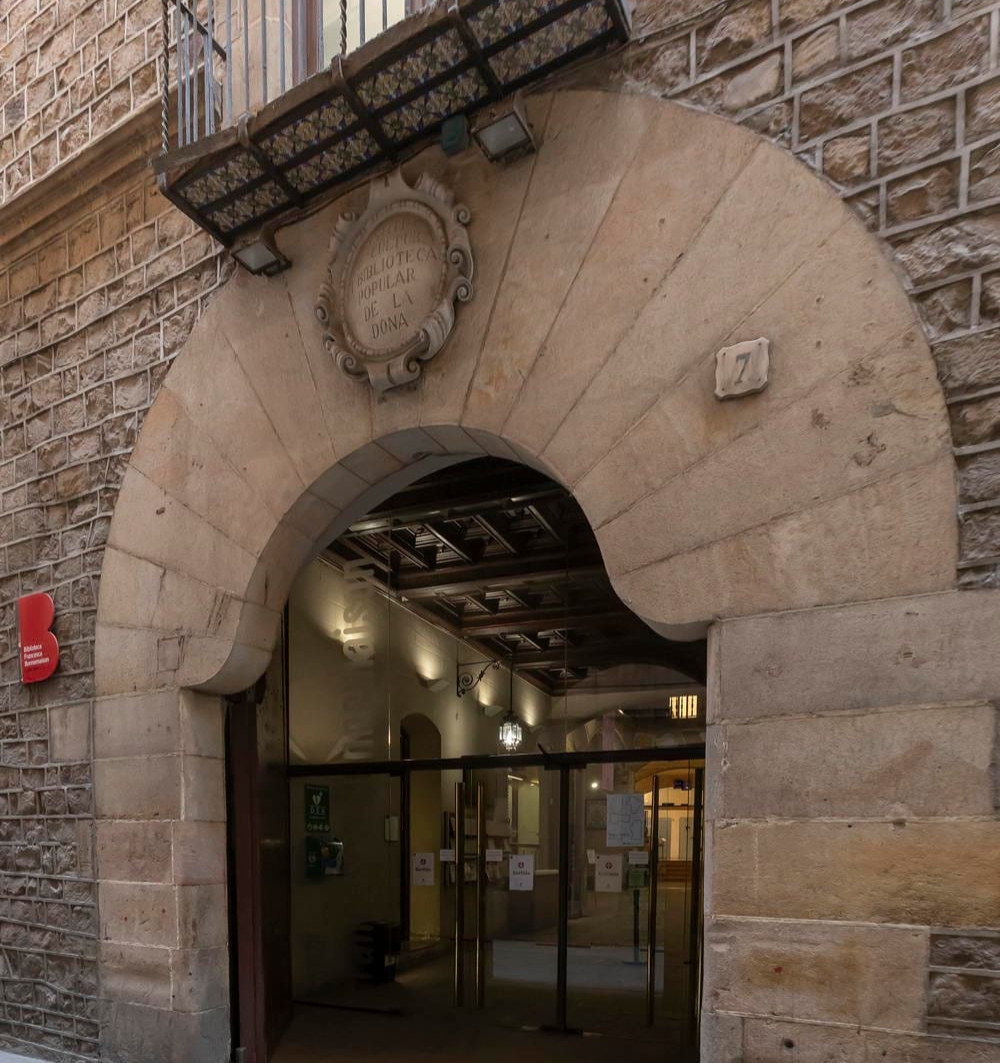
Location: Espai Francesca Bonnemaison. The sessions will be streamed live on YouTube in Catalan and English.
Languages: Catalan, English and Spanish. Simultaneous interpretation into Catalan and English will be available.
Moderator: Elena Busquets Segura. Journalist and Director of The New Barcelona Post, former Director of VIA Empresa, and regular commentator on RTVE.
9.30 h — 10.15 h. Institutional inauguration.
Institutional opening of the forum and recognition of the organizations that have organized parallel events during Time Use Week.
With the participation of:
- Eva Menor Cantador. Minister for Equality and Feminism of the Government of Catalonia.
- Raquel Gil Eiroá. Deputy Mayor for Social Rights, Economic Promotion, Employment, Feminisms and Democratic Memory at the Barcelona City Council.
- Alba Barnusell Ortuño. Deputy President of the Social Sustainability, Life Cycle and Community Area at the Barcelona Provincial Council.
- Olga Morales Segura. Executive Councillor for Social and Equality Policies at the Barcelona Metropolitan Area.
- Marta Junqué Surià. Director of the Time Use Initiative.
10.15 h — 10.45 h. Opening conversation: The effects of acceleration on our time.
Reflection on the reasons for and main effects of the social acceleration we are experiencing, from different perspectives.
With the participation of:
- Alexandra Laudo. Independent art curator specialising in the social construction of time and temporality.
- Judy Wajcman. Professor of Sociology at the London School of Economics and Political Science (LSE).
10.45 h — 11.15 h: Coffee break (included)
11.15 h — 12.45 h. How do we adapt to the reality of acceleration ?
Panel discussions to outline possible solutions and ideas for addressing the phenomenon of social acceleration through public policy and private initiatives in the areas of health, leisure, urban planning, care, and the economy.
11.15 h – 12.00 h. Panel 1:
- Pilar Conesa i Santamaria. Founder and President of Anteverti and curator of the Smart City Expo World Congress.
- Joan Costa-Font. Professor of Health Economics at the London School of Economics (LSE) and Director of the Ageing and Health Incentives Lab (AHIL).
- Javier Creus. Founder of Ideas for Change, specialising in systemic innovation and institutional transformation.
12.00 h – 12.45 h. Panel 2:
- María Marcela Petrantonio. Member of the Vice-Presidency for Institutional Relations of the Mercociudades Network.
- Sonia Rastogi. Senior Programme Officer at the Gates Foundation, specialising in gender and public health.
- Muigai Wainaina. Director of the Macroeconomic Policy Division in Kenya’s State Department for Economic Planning, specialising in the use of time-use data for public policy.
12.45 h — 13.15 h. Podcast: What can I do to slow down?
A brief reflection on habits and actions that helps us slowdown in our personal lives.
With the participation of:
- Mariana Toro Nader. Journalist and political scientist specialising in digital culture and contemporary thought.
13.15 h — 15.00 h: Lunch (not included)
15.00h — 16.00h: The impact of social acceleration on working time.
Discussion on the impact of acceleration on paid working time and possible strategies to address it through public policy, collective bargaining, and labour organization.
With the participation of:
- Catarina Braga. Specialist in working time organization, labour standards and decent work at the International Labour Organization (ILO).
- Gabriel Ginebra. Professor at EU Business School, specialising in slow management, leadership and organisational culture.
16.00h — 16.30h: Testimonials. How to adopt slow management in companies.
Stories from companies that have adopted measures to improve work time organization and slow down.
With the participation of:
- Claire Laude. Marketing Innovation and Sales Director at Fundació Portolà.
- Ana Sedano Martínez. Managing Director of Unió Consorci Formació (UCF).
Anna Villar Gil. Human Resources Director at Henkel.
16.30h — 17.30h: Parallel workshop sessions. Practical sessions for public administrations and companies on tools and strategies to improve time management.
Two parallel workshops are planned.
Workshop 1. Resources for implementing time-use policies in public administrations
Target audience: public sector staff
Workshop for public sector staff presenting existing resources for implementing time policies.
With the participation of:
- Laura de Caralt Casanova. Technical specialist at the Directorate of Feminism, Gender Mainstreaming and LGBTI Services at the Barcelona City Council.
- Ariadna Güell Sans. Ariadna Güell Sans. Deputy Director of the Time Use Initiative and Secretary of the Local and Regional Network for Time Policies.
- Laura Liñares Rivas. Technical Officer at the Directorate-General for Equity in Work and Co-responsibility at the Department of Equality and Feminism of the Government of Catalonia.
- Pedro Martín Cumplido. Equality and Time Policies Officer at the Barcelona Metropolitan Area.
- Gemma Parera Álvarez. Advisory Officer in the Social Sustainability, Life Cycle and Community Area at the Barcelona Provincial Council.
Workshop 2. How do you experience your time?
Target audience: companies
An experiential activity to become aware of how we experience our time and to decide how we want to organise it. A space to pause, observe our patterns and explore how we wish to inhabit our time in a context of constant acceleration and ever-increasing pace.
With the participation of:
- Pausa Conscient. Organisation that supports people and organisations by promoting pauses for self-care and more mindful activity.
How to get to the Espai Francesca Bonnemaison:
Tuesday, 20th of October
Annual Meeting of the Local and Regional Time Network
Schedule: 9.15 h – 16 h (CEST).
Language: English.
Audience: The annual meeting of the Local and Regional Time Network is the moment when its annual assembly is held, and the Network’s future strategies are outlined. It is also conceived as a space for the exchange of knowledge and the development of new resources and ideas to advance the implementation of time policies.
The events of the annual meeting are exclusively for member organizations of the Network.
Wednesday, 21st of October
9:30h–9:45h. Institutional Welcome.
With the participation of:
- Albert Ruiz Cirera.
9:45h – 10:45h. What do time-use data tell us about Catalonia?
Moderator: Sara Moreno Colom
Language: Catalan
Presentation of the main conclusions of the 2024 Time Use Survey data published by IDESCAT and reflection on its use by the public administrations.
Presentation of the Results of the Catalan Time Use Survey
With the participation of:
- Sònia Guerra López. President of the Institut Català de les Dones and Secretary General of the Department of Equality and Feminism of the Government of Catalonia.
- Jonatan Jorba Giménez. Head of the Economy and Society Area at the Statistical Institute of Catalonia (IDESCAT), part of the Government of Catalonia.
Round table: How are Catalan public administrations using, or planning to use, time-use data?
With the participation of:
- Laura de Caralt Casanova. Technical specialist at the Directorate for Feminism, Gender Transversality and LGBTI Services at Barcelona City Council.
- Pedro Martín Cumplido. Equality and Time Policies Officer at the Barcelona Metropolitan Area.
- Gemma Parera Álvarez. Advisory Officer in the Social Sustainability, Life Cycle and Community Area at the Barcelona Provincial Council.
10:45h – 11:30h. What do time-use data tell us about the world?
Moderator: Joan García Román
Language: English
Round table discussion presenting the current state and results of time use surveys at the international, European, and Spanish levels.
- Paola Andrea Castilla Gómez. Economist and consultant for UN Women in the Americas and the Caribbean.
- Eniel Ninka. Statistical officer at Eurostat, responsible for the Harmonised European Time Use Survey (HETUS).
11.30 h — 12.00 h: Coffee break (included)
12:00h – 12:45h. How can the Time Use Survey be used to inform policy decisions?
Language: Catalan
Practical workshop on knowledge transfer between research and public policy, aimed at researchers and public administration staff.
With the participation of:
- Ariadna Güell Sans. Deputy Director of the Time Use Initiative and Secretary of the Local and Regional Network for Time Policies.
12:45h – 14:00h. Flash presentations: research on Time Use
Moderators: Ariadna Güell Sans / Marta Junqué Surià
Language: Catalan
Panel 1
With the participation of:
- Gemma Castaño-Vinyals. Researcher at the Barcelona Institute for Global Health (ISGlobal) and Pompeu Fabra University (UPF), specialising in the effects of working time on health.
- Núria Codina Mata. Professor of Social Psychology of Leisure at the University of Barcelona, specialising in time use, leisure and time management.
- Sara Moreno Colom. PhD in Sociology from the Autonomous University of Barcelona and researcher at the Sociological Research Centre on Everyday Life and Work (QUIT-UAB) and the Institute for Labour Studies (IET).
- Elisenda Rentería Pérez. Researcher at Centre for Demographic Studies (CED-UAB), specialising in ageing, intergenerational transfers and time use.
- Raúl Velasco Fernández. Researcher at The Institute of Environmental Science and Technology (ICTA-UAB), specialising in energy, time use and sustainability.
Panel 2
With the participation of:
- Marina Callejero González. Sociologist and political scientist who has worked on the evolution of and inequalities in time poverty in Catalonia.
- Oriol Corcoll Arias. PhD researcher at Chiba University, a research assistant at the University of Freiburg, and a writer specializing in culture, literature, and thought.
- Paula González Vila. Predoctoral researcher in the Department of Sociology at the Universitat Autònoma de Barcelona (UAB).
- Giorgio Nocerino. Researcher in training at the Centre for Demographic Studies (CED-UAB) and predoctoral researcher in the Department of Sociology at the Universitat Autònoma de Barcelona (UAB).
- Amber Schmollgruber Acosta. Graduate of the Master’s Degree in Public Health at Pompeu Fabra University (UPF), specialising in the impact of working time on health.
14:00 h: End of the day
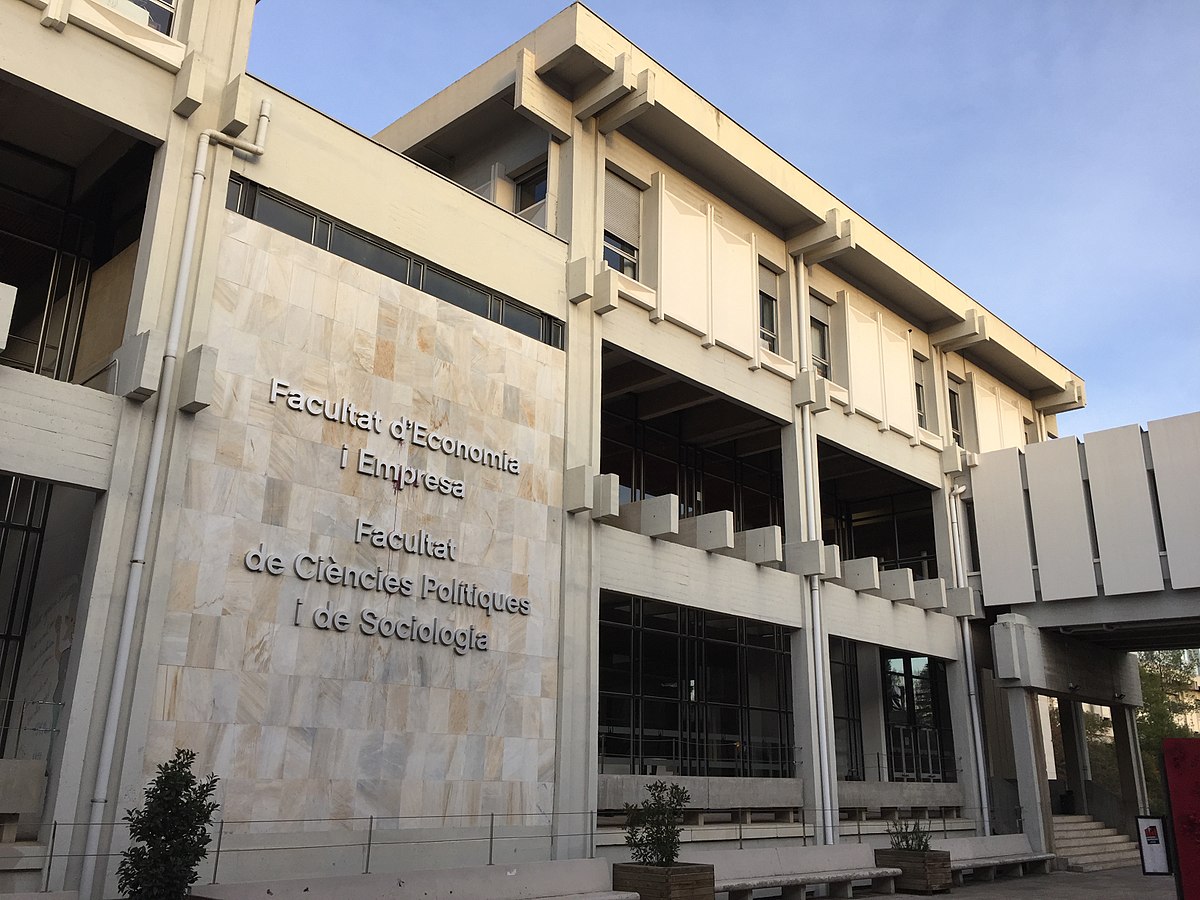
How to get to the Autonomous University of Barcelona:
Schedule: 9:30 h to 14:00 h (CEST).
Location: Autonomous University of Barcelona (UAB) – Assembly Hall of the Faculty of Political Science and Sociology. The sessions will be held exclusively in person.
Languages: Catalan. There will be no interpretation service.
Moderators:
- Joan García Román. PhD in Demography from the Autonomous University of Barcelona and researcher at the Centre for Demographic Studies, specialising in the analysis of time use data.
- Sara Moreno Colom. PhD in Sociology from the Autonomous University of Barcelona and researcher at QUIT and the Institute for Labour Studies.
The events held at the Autonomous University of Barcelona are organized in collaboration with the university itself, with the notable support of the Centre for Sociological Studies on Everyday Life and Work (QUIT) and the Centre for Demographic Studies (CED).